 Save to Pinterest
 There's a particular moment in spring when the kitchen suddenly feels too small for all the bright citrus you've bought—when you're standing there with a pile of lemons and absolutely no regrets. That's when a lemon tart becomes inevitable, the kind of dessert that tastes like you've somehow captured sunshine in pastry form. I learned to make this version on an ordinary Tuesday, not from anything grand, but because my neighbor mentioned she'd never had homemade pastry before, and something in that sentence just stuck with me. The buttery crust taught me patience, the filling taught me restraint (barely enough jiggle is everything), and the whole thing taught me that elegant doesn't have to mean complicated.
I made this for the first time when hosting six people I barely knew—a work dinner that somehow landed at my table on a Saturday. I remember the smell of buttery pastry baking reaching the living room, and how it shifted something in the whole evening, made everyone feel like this was intentional and thoughtful rather than just food. When I pulled that tart from the oven and it wobbled just slightly in the center, I knew I'd gotten it right, and honestly, watching people taste it told me more than any recipe note ever could.
Ingredients
- All-purpose flour (1 1/4 cups): This is your foundation—nothing fancy needed, just reliable and sturdy enough to hold butter without getting tough.
- Unsalted butter, cold and cubed (1/2 cup for crust): Cold is non-negotiable here; it's what creates those little air pockets that make the crust shatter when you bite it.
- Powdered sugar (1/4 cup): It dissolves faster than granulated sugar, keeping the dough tender and delicate.
- Fine sea salt (1/4 tsp): A pinch makes the butter flavor sing and balances the filling's brightness.
- Large egg yolk (1): The yolk binds everything without toughening the crust the way whole eggs can.
- Ice water (2-3 tbsp): Keep it actually ice-cold; warmth is the enemy of crispy pastry.
- Eggs and egg yolks (3 large eggs plus 2 large yolks): They create that silky, custard-like filling that sets without becoming rubbery.
- Granulated sugar (1 cup): Sweetness that doesn't overpower the lemon—it's a supporting role, not the lead.
- Freshly squeezed lemon juice (2/3 cup): Fresh is absolutely the difference; bottled lemon juice tastes thin and hollow by comparison.
- Finely grated lemon zest (2 tsp): This is where the lemon personality comes from; don't skip it even though it seems small.
- Unsalted butter, melted and cooled (1/2 cup): Melted butter incorporates smoothly and adds richness without greasiness.
Tired of Takeout? 🥡
Get 10 meals you can make faster than delivery arrives. Seriously.
One email. No spam. Unsubscribe anytime.
Instructions
- Preheat and gather your station:
- Set your oven to 350°F (175°C) and arrange everything in front of you—cold butter cubed, ice water in a glass, eggs ready to crack. This five minutes of setup prevents the frantic scramble that happens when butter starts softening.
- Build the crust in a food processor:
- Pulse flour, powdered sugar, and salt together until combined, then add cold butter cubes and pulse until it looks like coarse breadcrumbs with pea-sized bits of butter still visible. Add the egg yolk and two tablespoons of ice water, pulsing just until the dough holds together when you squeeze a bit—don't overthink it, stop while it still feels a little shaggy.
- Rest the dough:
- Turn it onto a lightly floured surface, gather it into a disk without working it too much, wrap it in plastic wrap, and refrigerate for at least 30 minutes. This resting period lets the gluten relax and the butter firm back up, which is what creates that tender, flaky texture.
- Line the tart pan with precision:
- Roll the chilled dough out to about an eighth of an inch thick, large enough to cover your 9-inch pan with a little overhang. Press it gently into the pan, working it into the corners and up the sides without stretching, then trim the edges and prick the base all over with a fork to prevent puffing.
- Blind bake the crust:
- Line it with parchment paper and fill with pie weights or dried beans, then bake for 15 minutes until the edges just start turning golden. Remove the weights and parchment, bake another 10 minutes until the base is pale golden and looks set, then let it cool while you prepare the filling.
- Whisk the filling until silk-smooth:
- In a large bowl, whisk together the whole eggs, egg yolks, and sugar until thick and pale—this takes longer than you think, about 3 minutes with a whisk. Add the fresh lemon juice, zest, melted butter, and a pinch of salt, whisking until completely smooth and glossy.
- Pour and bake with intention:
- Pour the filling into the warm crust and slide it into the oven, baking for 20 to 25 minutes until the edges are set but the very center still has just a tiny wobble when you gently shake the pan. That wobble is everything—it'll set as it cools and gives you that creamy, custard-like texture instead of rubbery.
- Cool with patience:
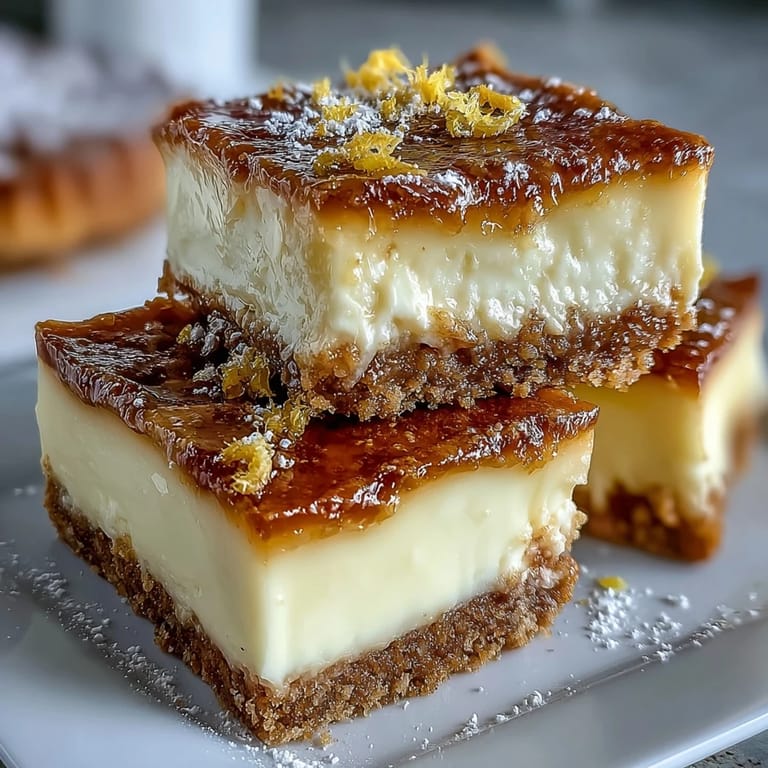
- Let the tart cool completely on a wire rack at room temperature, resisting the urge to poke it, then chill it in the refrigerator for at least 2 hours before serving. The cold time lets the flavors integrate and makes slicing infinitely cleaner.
 Save to Pinterest
 The moment that made this tart stick in my memory came not from cooking it, but from watching my mother's face when she took the first bite—how she closed her eyes for a second, and then said something like, 'Oh, this is what you were doing.' That small acknowledgment, that this dessert mattered enough to make carefully, is why I keep making it.
The Crust Secret Nobody Talks About
Everyone fixates on the filling because it's the dramatic part, but the crust is where the real magic lives. I once made this tart with butter that wasn't quite cold enough—it was a mild afternoon, and I wasn't paying attention—and the difference was immediately obvious: the crust baked up more like shortbread than a delicate shell. Now I keep a stick of butter in the freezer specifically for moments when I want to make pastry, and I pull it out while I'm gathering other ingredients so it's perfectly firm by the time I need it.
Balancing Tartness and Sweetness
Lemon tarts live in this delicate space where you want brightness without making people wince. The first time I made this, I followed a recipe that used twice as much lemon juice, and it was beautiful to look at but almost uncomfortably sharp on the palate. Now I understand that the sugar isn't there to hide the lemon—it's there to make the lemon sing at the right volume, to let you taste the fruit without it overwhelming everything. If you love intensely tart desserts, you can reduce the sugar by two tablespoons, but I'd suggest tasting a small bite of the filling mixture before it goes into the oven, just to know what you're signing up for.
Serving and Storing Your Masterpiece
This tart actually improves slightly if you make it a day ahead; the flavors deepen and the crust stays crisp longer. Dust it lightly with powdered sugar just before serving—you want a whisper of white, not a snowstorm. Store it loosely covered in the refrigerator for up to three days, though honestly, it rarely lasts that long.
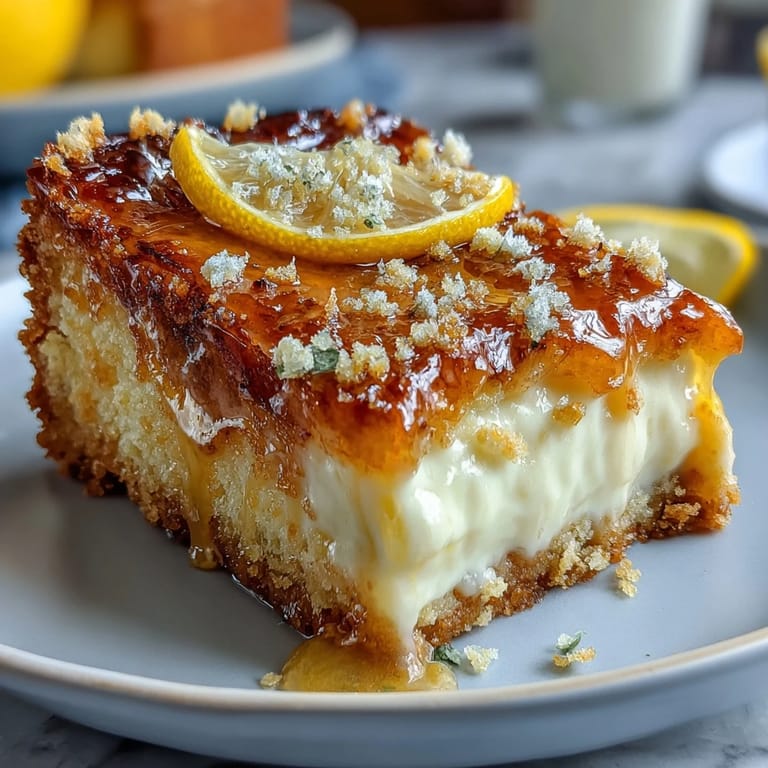
- A scattered handful of fresh berries or thin lemon wheels adds visual drama: Arrange them just before serving so they don't weep into the filling.
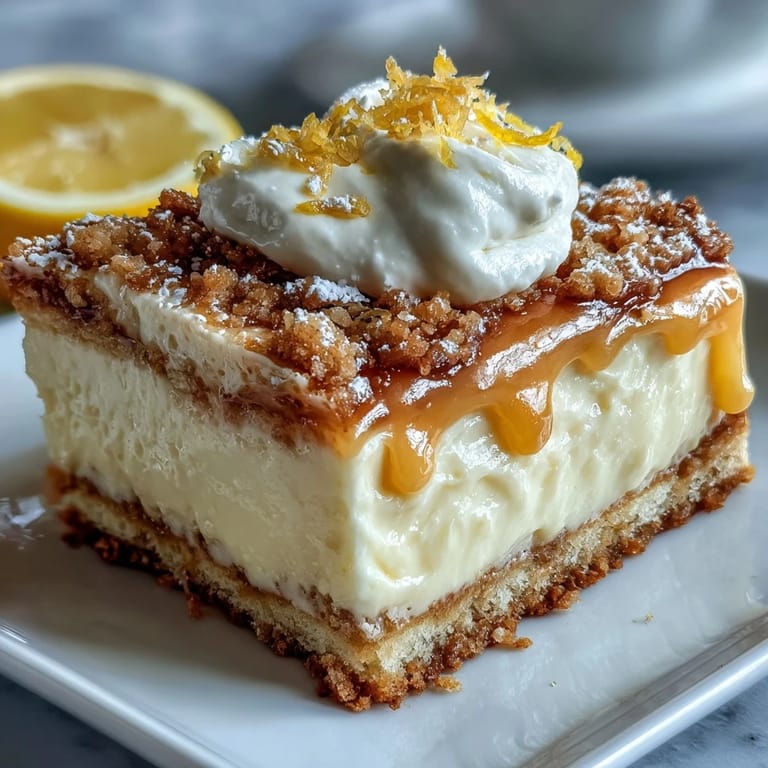
- Whipped cream or crème fraîche transforms it from elegant to luxurious: A dollop on the side lets people decide how indulgent they want the moment to be.
- A glass of cold Sauternes or sparkling wine is the only proper pairing: The wine's slight sweetness and acidity echo the tart's flavors in a way that feels inevitable.
 Save to Pinterest
 This tart has become my answer to the question 'what should I make for people I care about'—it's simple enough to feel achievable but special enough to feel like you've given something real. There's something about serving this that makes an ordinary evening feel like an occasion.
Recipe FAQs
- → What type of flour is best for the crust?
All-purpose flour works well, providing structure while allowing the crust to remain tender.
- → How do I achieve a crisp crust?
Using cold butter and chilling the dough before baking helps create a crisp, flaky crust.
- → Can I substitute lemon juice with other citrus?
Yes, blood orange or lime juice can be used for a different citrus flavor profile.
- → How do I know when the filling is done?
The filling should be set around the edges but slightly wobbly in the center after baking.
- → What garnishes complement the tart?
Powdered sugar, thin lemon slices, fresh berries, or mint leaves add visual appeal and subtle flavors.
- → How long should the tart chill before serving?
Chilling for at least 2 hours allows the filling to set fully and enhances flavors.