 Save to Pinterest
 My uncle stood at the stove one humid July afternoon, the smell of hot oil filling the kitchen so completely I could taste it before the first fillet hit the pan. He moved with the kind of confidence that comes from making the same dish hundreds of times, dredging each piece of catfish with a precise shake and slide. That's when I realized fried catfish wasn't just food at family gatherings—it was the sound of sizzle, the color of golden brown, the moment when everyone stopped talking and just ate.
I made this for four friends on a Saturday night when everyone was tired of restaurant food, and watching their faces light up after that first bite reminded me why cooking matters. One person asked for the recipe before dessert even happened, which never occurs at dinner parties in my experience. We laughed about how something so simple could feel like an event.
Ingredients
- Catfish fillets (4, about 6 oz each): Fresh catfish is mild and forgiving—it won't get rubbery if you're a few seconds off on timing, which I learned the hard way with more delicate fish.
- Buttermilk (1 cup): This isn't just a soak; buttermilk tenderizes the fish and creates a slightly tangy undertone that makes people wonder what the secret ingredient is.
- Hot sauce (1 teaspoon for marinade, 2 teaspoons for sauce): Use whatever brand you have—I've never noticed a huge difference, but the heat matters more than the label.
- Yellow cornmeal (1 cup): This is the foundation of your crunch; white cornmeal works too, but yellow gives a richer, almost sweet tone.
- All-purpose flour (1/2 cup): The flour helps bind everything together and adds structure to the coating so it doesn't just shatter everywhere.
- Paprika and smoked paprika (1 teaspoon regular, 2 teaspoons smoked for sauce): The smoked version in the remoulade adds a depth that regular paprika can't match.
- Garlic powder, onion powder, cayenne (1 teaspoon garlic, 1 teaspoon onion, 1/2 teaspoon cayenne): These three are the backbone of Southern seasoning; don't skip any because they work together, not solo.
- Salt and black pepper (1 teaspoon salt, 1/2 teaspoon pepper for coating, plus more to taste): Taste everything before serving because salt levels shift depending on your oil and how long the fish sits.
- Vegetable oil (about 1 inch deep in pan): You need enough oil to come halfway up the fillets; this isn't shallow frying, and the oil temperature matters more than the exact amount.
- Mayonnaise (1/2 cup): Use full-fat mayo here; the light versions make the sauce taste thin and sad.
- Dijon mustard (2 tablespoons): This adds a sharp background note that keeps the sauce from feeling heavy or one-dimensional.
- Prepared horseradish (1 tablespoon): A tiny jar lasts forever in your fridge and transforms remoulade from standard to memorable with just one tablespoon.
- Sweet pickle relish (2 teaspoons): This is the surprising ingredient that makes people taste something different from what they expected, in the best way.
- Fresh lemon juice (1 tablespoon): Bottled lemon works if you're in a bind, but fresh juice brightens the sauce in ways the shelf-stable version can't quite manage.
- Fresh parsley (1 tablespoon chopped): This is more than color; it adds a peppery freshness that balances the richness of everything else.
Tired of Takeout? 🥡
Get 10 meals you can make faster than delivery arrives. Seriously.
One email. No spam. Unsubscribe anytime.
Instructions
- Soak your fish with intention:
- Whisk together buttermilk and hot sauce, then fully submerge your catfish fillets and let them sit for at least 15 minutes—the longer soak (up to 30 minutes) makes the fish even more tender, though I've found 15 minutes hits the sweet spot. While you wait, this is the time to gather everything else so you're not scrambling when the oil gets hot.
- Build your coating blend:
- Combine cornmeal, flour, paprika, garlic powder, onion powder, cayenne, salt, and pepper in a shallow dish and give it a good stir so the spices distribute evenly. I learned to taste a tiny pinch right from the coating dish to make sure the seasoning is bold enough—it should make your mouth wake up.
- Get your oil to the perfect temperature:
- Heat about 1 inch of vegetable oil in a deep skillet or Dutch oven to 350°F (175°C), which takes about 5 minutes on medium-high heat. Use a thermometer if you have one; if not, drop a tiny pinch of the cornmeal mixture into the oil and it should sizzle immediately without smoking.
- Dredge with confidence:
- Remove each fillet from the buttermilk one at a time, let excess drip off for just a second, then press it firmly into the cornmeal mixture on both sides until it's completely covered. This pressing motion is what creates the crispy exterior that makes people ask for seconds.
- Fry in batches for golden results:
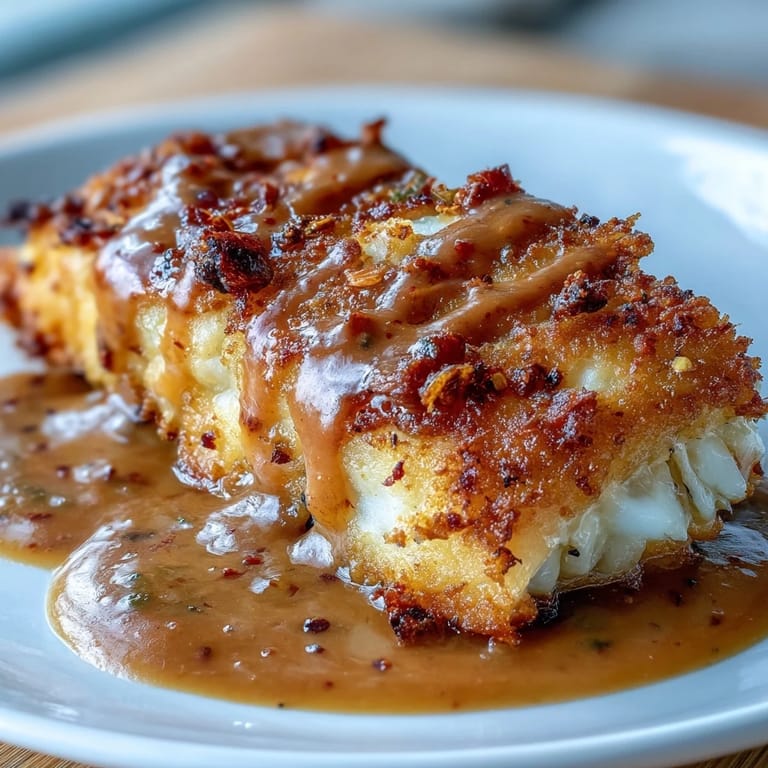
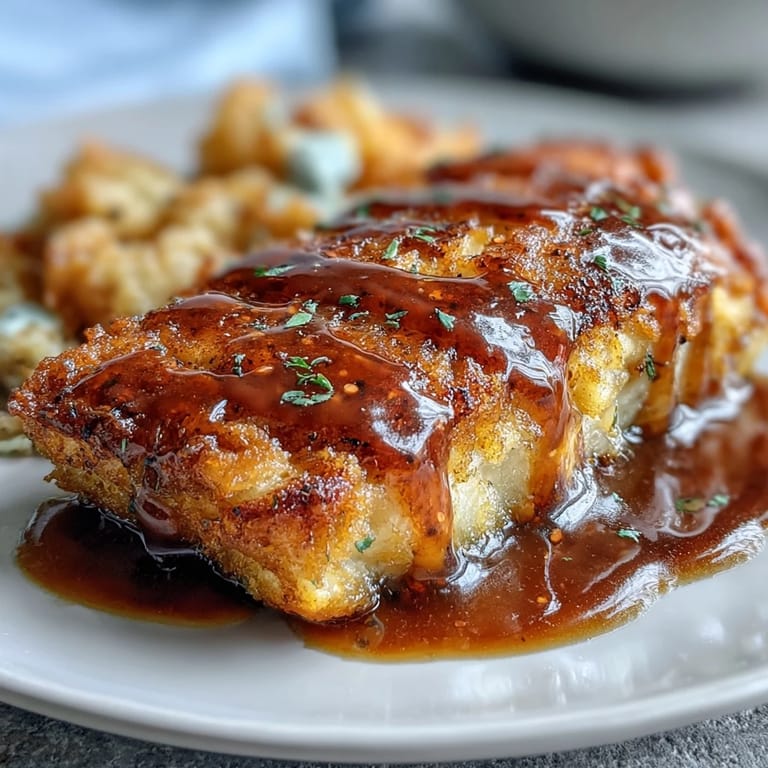
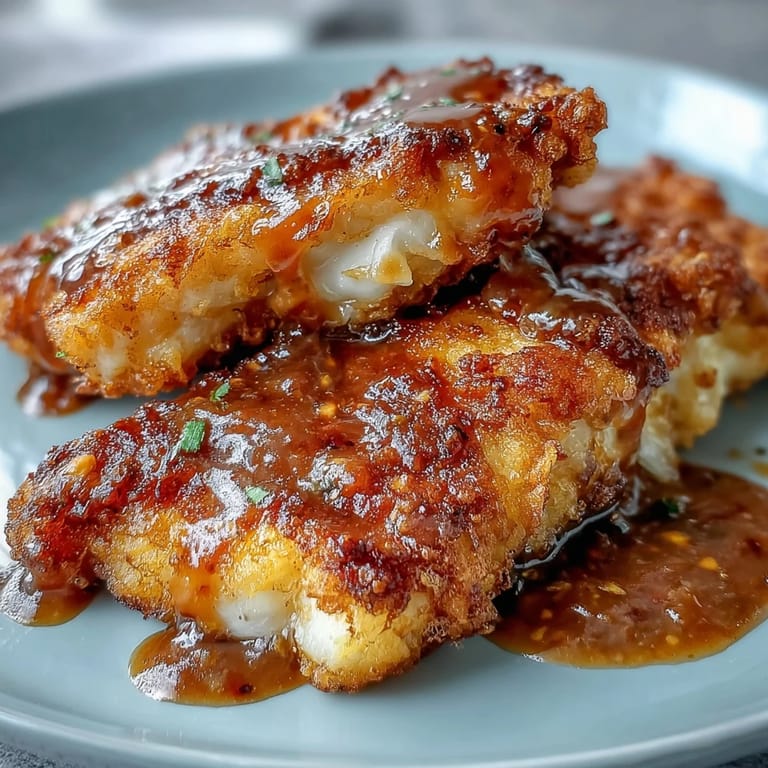
- Working with one or two fillets at a time so you don't crowd the pan, carefully slide them into the hot oil and listen for that immediate sizzle—you should hear it the moment the fish hits the pan. Fry for 3 to 4 minutes per side until the coating is deep golden brown and the fish flakes easily when tested with a fork, then transfer each fillet to a paper towel-lined plate to drain the excess oil.
- Make the sauce while the fish rests:
- Stir together mayonnaise, Dijon mustard, horseradish, hot sauce, pickle relish, lemon juice, minced garlic, smoked paprika, and parsley in a mixing bowl until everything is combined and creamy. Taste it and adjust salt and pepper until you feel that slight burn at the back of your throat from the horseradish and a brightness from the lemon—that's when you know it's balanced.
- Serve hot and enjoy immediately:
- Plate your catfish while the coating is still crisp, drizzle or dollop the remoulade alongside, and eat right away when the contrast between the hot fish and cool sauce is most dramatic. This is not a dish that improves with waiting.
 Save to Pinterest
 My neighbor came over after I mentioned what I was making, and she stood in my kitchen talking about her grandmother's version while we cooked side by side. We realized we were both making almost the exact same thing, just with tiny variations passed down through different families, and somehow that made the meal taste even better than if I'd followed some cookbook exactly. Food has a way of connecting people across time like that.
Why Temperature and Timing Matter So Much
The difference between undercooked and perfectly crispy catfish is honestly just seconds on the clock and a couple degrees on the thermometer. I've fished out golden fillets that were still slightly raw in the center because I was impatient, and I've created tough, overcooked fish by being too cautious. The sweet spot is when you hear the sizzle drop slightly in pitch and the coating shifts from bright golden to a deeper amber color—that's your cue.
What Makes the Remoulade Different from Regular Tartar Sauce
Tartar sauce is usually just mayo and sweet pickles, but remoulade gets interesting with Dijon mustard, horseradish, and smoked paprika, which means it has layers instead of just sweetness. The first time I tasted a real remoulade, I realized I'd been eating boring tartar sauce for years without knowing what I was missing. Once you go remoulade, you'll want it with everything.
Serving Ideas and Ways to Complete the Meal
Fried catfish is naturally a Southern classic, which means it pairs with sides that have just as much personality as the fish itself. Creamy coleslaw with vinegar bite cuts through the richness, while hush puppies add another layer of texture and comfort that makes the whole plate sing together. You could also serve it alongside creamy grits or even a simple green salad dressed with lemon vinaigrette if you want something lighter.
- Make or buy hush puppies if you want the full soul food experience, though the catfish is absolutely complete on its own.
- A cold drink matters more than you'd think—iced tea or lemonade cuts the richness and makes you want another bite.
- Squeeze of fresh lemon right before eating brightens everything and adds a final touch of brightness that ties the whole plate together.
 Save to Pinterest
 This recipe has become the dish I make when I want to turn an ordinary evening into something people will talk about. There's magic in something so simple that hits exactly right every single time.
Recipe FAQs
- → What is the best way to achieve extra crispy catfish fillets?
For added crunch, double-dip the fillets by marinating them again in buttermilk and dredging a second time in the seasoned cornmeal mixture before frying.
- → Can I substitute catfish with other fish types?
Yes, tilapia or cod work well as substitutes, offering similar texture and flavor when fried using the same method.
- → How should the remoulade sauce be prepared for the best flavor?
Mix mayonnaise, Dijon mustard, horseradish, hot sauce, pickle relish, lemon juice, smoked paprika, garlic, and fresh parsley. Season with salt and pepper to taste for a balanced, tangy sauce.
- → What temperature is ideal for frying catfish fillets?
Heat vegetable oil to approximately 350°F (175°C) for even frying and a golden, crispy crust without overcooking the fish.
- → What side dishes complement crispy fried catfish best?
Traditional pairings include creamy grits, coleslaw, and hush puppies, enhancing the Southern dining experience.