 Save to Pinterest
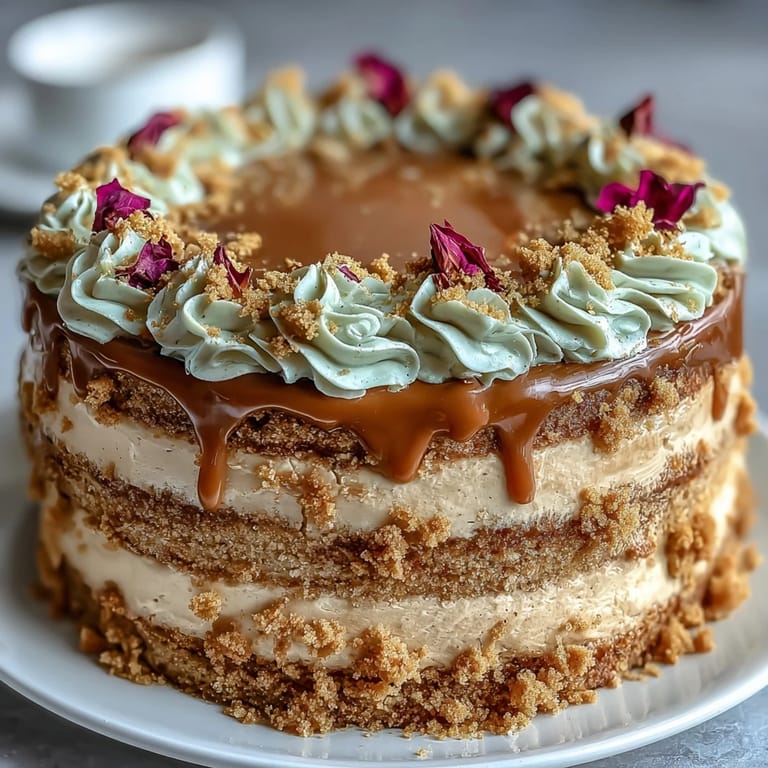
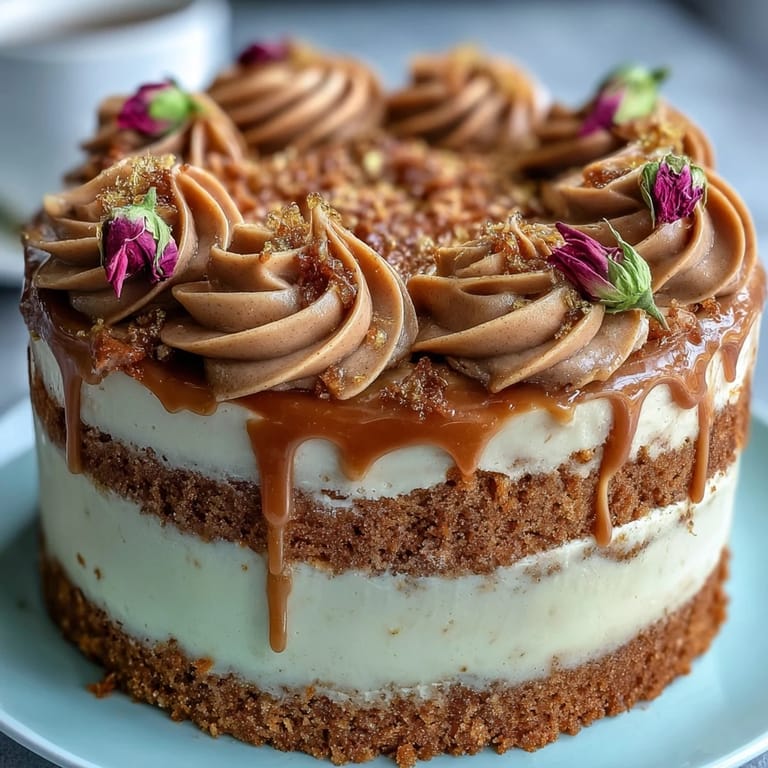
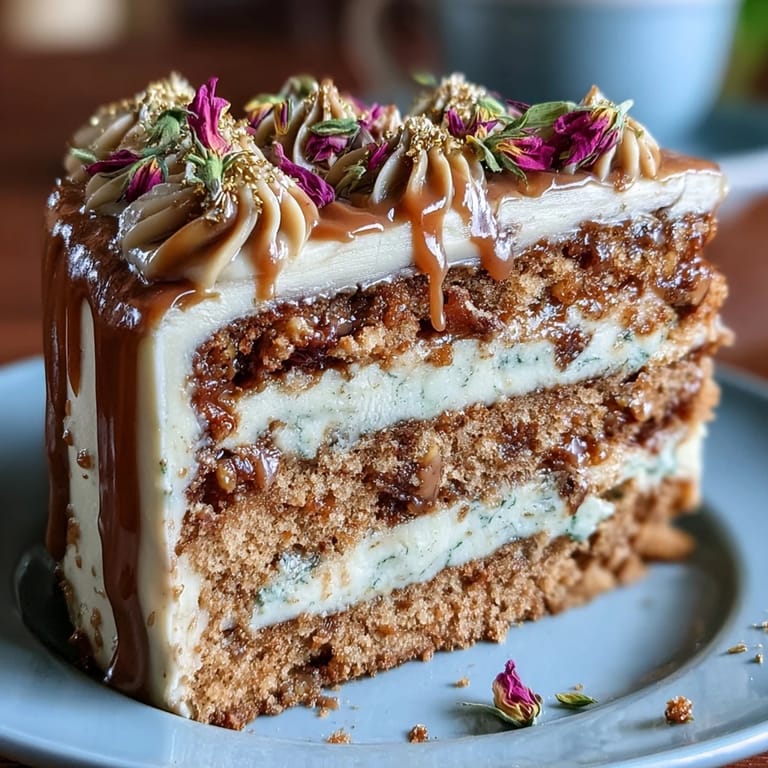
 The first time the idea for this Taurus Cake crossed my mind, it was sparked by the delicate waft of brown sugar meeting butter in a pan while spring air hummed beyond my kitchen window. Not every cake is worthy of the zodiac, but this floral butterscotch creation practically demanded its own astrological sign. Everything from the earthy color swirls to the tender crumb felt like a gentle nudge to slow down and savor. I found myself absent-mindedly tracing spirals in the buttercream with an offset spatula, letting intuition guide the decoration. It became as much a celebration of the senses as a nod to Taurus' grounded elegance.
Last spring, while baking this showstopper for a friend's birthday picnic, my roommate wandered through the kitchen drawn in by the scent, lifting the lid of the cooling butterscotch sauce just to inhale. As we picked herbs from little pots on the windowsill to use in the decoration, the rain outside turned steady, so we ate cake indoors, flowers and all, while thunder offered background percussion.
Ingredients
- All-purpose flour: This is your cake's backbone—sift it to keep the crumb light and even.
- Baking powder and baking soda: They work together to give those layers a beautiful, gentle rise—be precise for airy texture.
- Fine salt: Just a touch wakes up every other flavor—skip coarse salt, which can make the cake spotty.
- Unsalted butter: Soft, rich, and perfect for both crumb and frosting—let it come to true room temperature or you risk messy lumps.
- Packed brown sugar: This gives a deep butterscotch base—really press it into the cup to get the right amount.
- Eggs: Room-temperature eggs blend more easily, leading to a finer crumb.
- Vanilla extract: It ties everything together—splurge on the good stuff for best results.
- Sour cream or plain yogurt: Adds moisture and tenderness—either works, but sour cream gives the richest crumb.
- Whole milk: Keeps the batter fluid and flavor full-bodied—avoid skim, which tends to make the result dry.
- Butterscotch sauce: Homemade is best, with the caramel notes singing through each bite—cool it before using to avoid melting your batter.
- Powdered sugar: Try sifting it twice for the silkiest buttercream.
- Culinary rose water: A little transforms the frosting into a floral dream—start light, taste as you go.
- Dried lavender: Optional, but use sparingly for a hint of perfume without going overboard.
- Natural colorants: Earthy options like matcha, beet, and turmeric paint the frosting with gentle hues—just a pinch is plenty.
- Edible flowers and fresh herbs: These provide both a beautiful finish and subtle aroma—check that they're food-safe before using.
Tired of Takeout? 🥡
Get 10 meals you can make faster than delivery arrives. Seriously.
One email. No spam. Unsubscribe anytime.
Instructions
- Prep for Baking:
- Preheat your oven to 350°F and line three pans, tracing parchment circles for a smug sense of professional preparedness.
- Butterscotch Magic:
- Melt butter and brown sugar in a saucepan, enjoying the rich aroma, then add cream and simmer until glossy; finish with vanilla and a pinch of salt, then let cool until thickened but pourable.
- Cake Batter Ritual:
- Whisk flour, baking powder, baking soda, and salt in a bowl; cream butter and brown sugar in another until pale, add eggs one at a time (admire how silky the mixture gets), and stir in vanilla.
- Mix and Marry:
- Blend in sour cream and butterscotch sauce, then alternate adding flour mixture and milk—start and end with flour—until just combined, resisting the urge to overmix.
- Bake and Cool:
- Divide batter into pans and bake 28–35 minutes, until cakes are golden and a toothpick says they're ready; cool in pans briefly, then onto racks to finish.
- Buttercream Bloom:
- Beat butter until cloud-like, gradually add powdered sugar, and blend in milk as needed; stir in rose water and lavender, then tint small bowls with natural colors for a painter’s palette effect.
- Assemble and Swirl:
- Layer cakes with generous swathes of buttercream, swirling different shades as you go; coat sides and top for a marbled, earthy finish and pop into the fridge to firm up.
- Finish and Flourish:
- Adorn with edible flowers, fresh herbs, and a glint of gold, arranging them in whatever pattern brings you joy.
 Save to Pinterest
 When my Taurus friend took her first bite, she went silent, simply beaming as the floral and caramel came together; it was that rare hush that only happens when food moves beyond words. Afterward, the empty plates and lingering herbal aroma reminded me how something as simple as baking can make a room feel connected.
Choosing and Using Edible Flowers
I learned quickly that not all pretty flowers are created equal when it comes to decorating cake. Research or ask your florist for safe, culinary-grade blossoms, rinsing them gently to avoid bruising delicate petals. Pansies and violets hold up well and stay vibrant against the creamy frosting. Fresh herbs like mint or thyme add a casual bouquet effect without overpowering the flavor. Arranging them, I let my hands guide, never worrying about symmetry—nature is wonderfully irregular.
Natural Color from Your Pantry
Turning buttercream earthy is easier than you’d think, and much more fun with friends (and clean spoons for taste-testing). Matcha creates a mellow green, while beet powder gives a playful pink—each just a smidge, as too much can overpower flavor or texture. Cocoa and turmeric supply classic brown and golden tones, while spirulina adds an unexpected blue-green for a woodland vibe. Start with the tip of a spoon and remember: the colors mature slightly as the cake chills. Mixing batches side by side, I found the colors deepen—almost magically—in the fridge.
Serving and Storing with Care
This cake is astonishingly sturdy yet tender, and holds up on a dessert table for several hours. Store covered at room temperature, unless you've scattered fresh flowers, in which case pop it in the fridge to keep petals bright and perky. A slice pairs beautifully with floral teas or a splash of dessert wine, making even a small gathering feel special. When portioning, use a warm, damp knife for perfect slices.
- Let the cake rest for 20 minutes at room temp if refrigerated for the softest texture.
- Sift extra powdered sugar over top before serving for a gentle finish.
- Warn guests about any inedible decorative bits, like gold leaf backing or woody herb stems.
 Save to Pinterest
 Cake always has a way of marking a moment, but this Taurus Cake feels especially rooted, like an edible tribute to savoring all the little joys. May your kitchen fill with earthy fragrance and celebration, just as mine has countless times.
Recipe FAQs
- → How do I prevent the layers from drying out?
Brush each cooled layer lightly with reserved butterscotch sauce or simple syrup before applying buttercream; this adds moisture and intensifies flavor without overpowering the floral notes.
- → Best way to get even layers?
Weigh batter and divide evenly between pans, or use a measuring cup to portion. Rotate pans in the oven halfway through baking for consistent browning and rise.
- → How can I adjust floral intensity?
Start with a small amount of rose water and finely ground lavender, tasting as you go. Floral extracts are potent—add incrementally to avoid a soapy or overpowering finish.
- → Which natural colorants work best for earth tones?
Matcha for green, beet powder for muted pink, cocoa for brown, and turmeric for warm yellow. Use small amounts and build color gradually to preserve texture and flavor.
- → How long can the finished cake sit at room temperature?
Stored covered at room temperature, the cake keeps well up to 3 days. If using fresh flowers or in warm conditions, refrigerate and bring to room temperature before serving for best texture.
- → Can I prepare components ahead of time?
Yes—make the butterscotch sauce and buttercream up to 48 hours ahead. Chill and bring buttercream back to room temperature, then re-whip before tinting and assembling for a light finish.