 Save to Pinterest
 My kitchen smelled like warm oil and vanilla the morning my neighbor brought over a box of homemade cake donuts, still warm and dusted with cinnamon sugar. I bit into one and couldn't believe how tender it was—nothing like the dense, heavy donuts I'd tried before. That afternoon, I called her to ask for her technique, and she laughed, saying the real secret wasn't anything fancy, just not overworking the dough and keeping the oil at the right temperature. I've been making them ever since, and now they're the first thing people ask me to bring to gatherings.
Last spring, I made these for my daughter's school bake sale, and I watched her face light up when a parent came back to ask for extras. She'd never seen me do anything in the kitchen that impressed people like that before. We ended up frying three batches that evening, and she helped dust each one with cinnamon sugar, singing off-key the whole time. That memory—the oil popping gently, her concentration on every donut, the pride she felt—is why I still make them the same way.
Ingredients
- All-purpose flour (2 1/2 cups): The foundation of your tender crumb; make sure it's fresh and measured correctly by spooning into your cup rather than scooping straight from the bag.
- Granulated sugar (1 cup): Sweetens the dough while helping create that delicate, cakey texture.
- Baking powder (2 tsp): This is what gives these their signature lift and airy interior.
- Baking soda (1/2 tsp): Works with the buttermilk for extra tenderness and a subtle depth.
- Salt (1/2 tsp): Don't skip this—it brightens all the other flavors and keeps sweetness from being one-note.
- Ground nutmeg (1/2 tsp): A touch of warmth that makes people say "What's that flavor?" before you tell them.
- Large eggs (2): Bind everything together and add richness; room temperature works best.
- Buttermilk (3/4 cup): The acid here reacts with the baking soda to create those tender crumbs.
- Unsalted butter (1/4 cup, melted and cooled): Cool it first or it'll cook the eggs; this adds moisture and flavor without overwhelming the delicate crumb.
- Vanilla extract (1 tsp): A quiet but essential player that brings all the spices and sugar together.
- Vegetable oil for frying (about 1.5 liters): Keep it neutral so it doesn't compete with the donut itself.
- Powdered sugar (1 cup): For a silky glaze that sets without being too thick.
- Milk (2–3 tbsp): Adjust this to get your glaze to the right consistency.
- Cinnamon (1 tsp) and granulated sugar (1/2 cup): The classic partner if you're going the cinnamon-sugar route instead of glaze.
Tired of Takeout? 🥡
Get 10 meals you can make faster than delivery arrives. Seriously.
One email. No spam. Unsubscribe anytime.
Instructions
- Combine the dry team:
- Whisk together your flour, sugar, baking powder, baking soda, salt, and nutmeg in a large bowl. This is your moment to make sure everything's evenly distributed so you don't end up with pockets of baking soda that taste bitter.
- Build the wet mixture:
- In a separate bowl, beat your eggs lightly, then whisk in the cooled melted butter, buttermilk, and vanilla. You want everything just combined—nothing fancy here.
- Bring them together gently:
- Pour the wet ingredients into the dry and fold until just combined. This is the moment that matters most: stop as soon as you don't see flour anymore, or you'll end up with tough donuts.
- Shape and cut:
- Turn the dough onto a lightly floured surface and pat it to about 1/2-inch thickness. Using a 3-inch donut cutter (or two round cutters if you don't have one), cut out your donuts and save those holes—they fry beautifully too.
- Heat your oil:
- Bring your oil to 350°F in a deep pot. Use a thermometer; this temperature is non-negotiable if you want them golden and cooked through without being greasy.
- Fry with confidence:
- Working in batches so you don't crowd the pot, slip your donuts into the oil. They'll sink at first, then float to the surface after about a minute—flip them then and fry for another minute until they're deep golden brown.
- Drain and cool slightly:
- Remove them with a slotted spoon and let them rest on paper towels. They'll firm up as they cool, and this is the perfect window for coating.
- Glaze or coat:
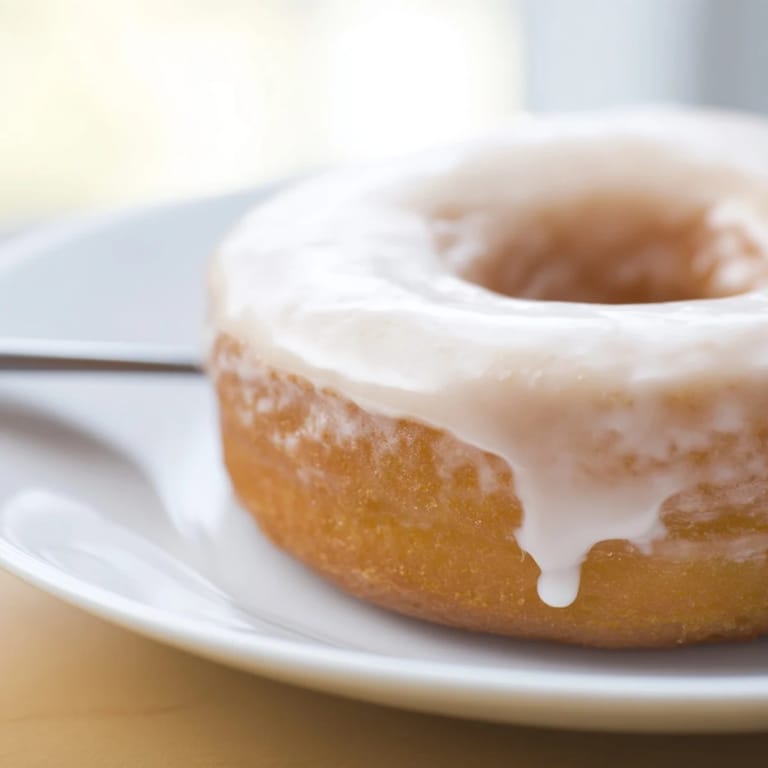
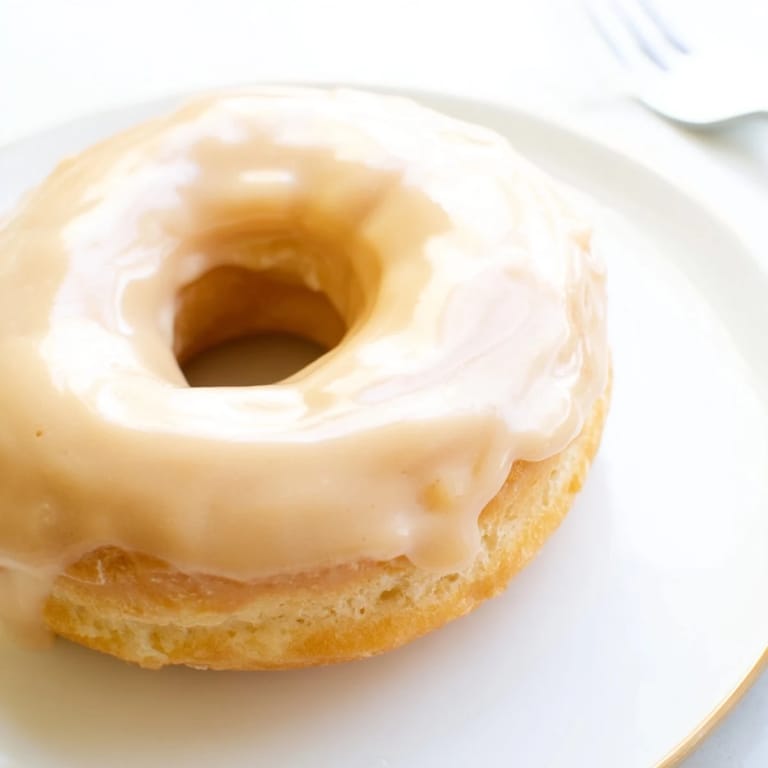
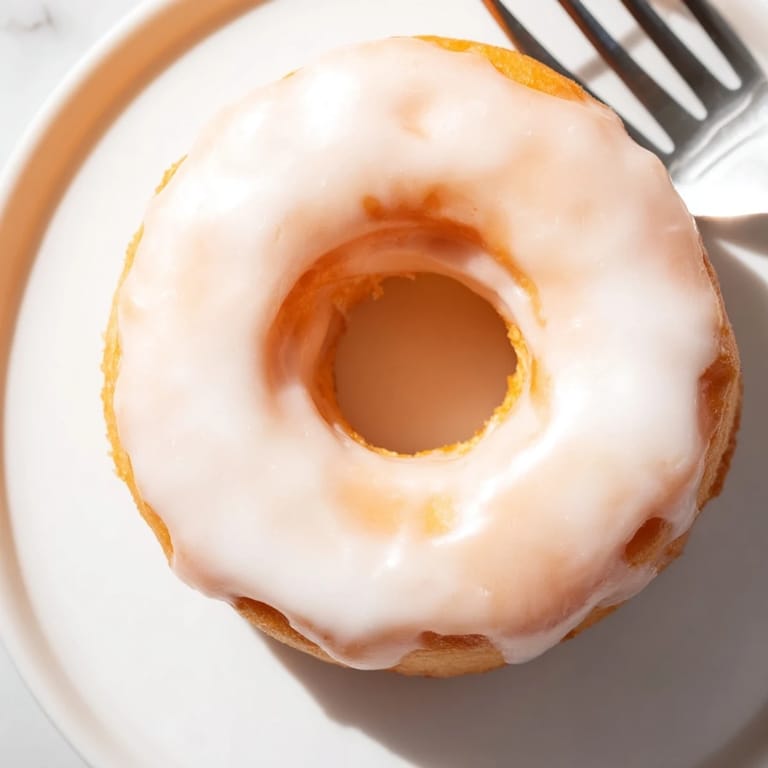
- For glaze, whisk powdered sugar, milk, and vanilla until smooth and dip your warm donuts. For cinnamon sugar, toss them in a bowl with the cinnamon-sugar mixture while they're still warm enough to make it stick.
 Save to Pinterest
 There's a particular magic to the moment when a warm donut meets a cinnamon-sugar coating, and the sugar sticks exactly right, creating that thin, crispy layer that contrasts with the soft interior. That's when these stopped being just a recipe for me and became a small ritual I return to whenever I need to make someone smile.
Why These Donuts Win
The difference between a cake donut and a regular donut is both chemistry and philosophy. Cake donuts use baking powder and baking soda instead of yeast, so there's no waiting around for proofing. What you get instead is immediate gratification and a texture that's tender and moist without being spongy. The leavening agents create a tight, delicate crumb that reminds you more of a good coffee cake than a yeast donut's airy chew.
Troubleshooting Your Batch
If your donuts came out dense or heavy, you either overmixed the batter or your oven-based leavening agents were past their prime. If they absorbed too much oil and felt greasy, your oil temperature was too low. If they browned too quickly on the outside but stayed raw inside, your oil was too hot. The good news is that each batch teaches you something, and the problem is almost always one of those three variables.
Beyond Basic Coating
Once you nail the basic technique, the coatings become your playground. A chocolate glaze is just two tablespoons of cocoa powder stirred into your powdered-sugar mixture. Maple glaze swaps the milk for maple syrup. You can dust them with sprinkles, crushed cookies, chopped nuts, or even a light drizzle of melted dark chocolate after they've cooled slightly.
- Keep a batch plain so people can choose their own adventure, or prepare a couple of coating stations at once.
- If your glaze gets too thick, add a splash more milk; if it's too thin, sift in a bit more powdered sugar.
- Serve them fresh for the best texture, but they'll stay soft in an airtight container for a couple of days if you need to make them ahead.
 Save to Pinterest
 These donuts have become my default when I want to say something without words. They arrive warm and sweet, and somehow that speaks louder than any card ever could.
Recipe FAQs
- → What flour works best for tender cake donuts?
All-purpose flour provides the ideal balance of structure and tenderness for cake donuts.
- → How can I get the perfect golden color when frying?
Maintain oil temperature at 350°F (175°C) and fry donuts for 1–2 minutes per side until evenly golden.
- → What alternatives can I use instead of buttermilk?
Sour cream can substitute buttermilk for a similar tang and moisture in the dough.
- → How should I store these cake donuts to keep them fresh?
Store in an airtight container at room temperature to preserve softness for up to two days.
- → Can I add chocolate to the glaze?
Yes, adding unsweetened cocoa powder to the glaze creates a rich chocolate coating.