 Save to Pinterest
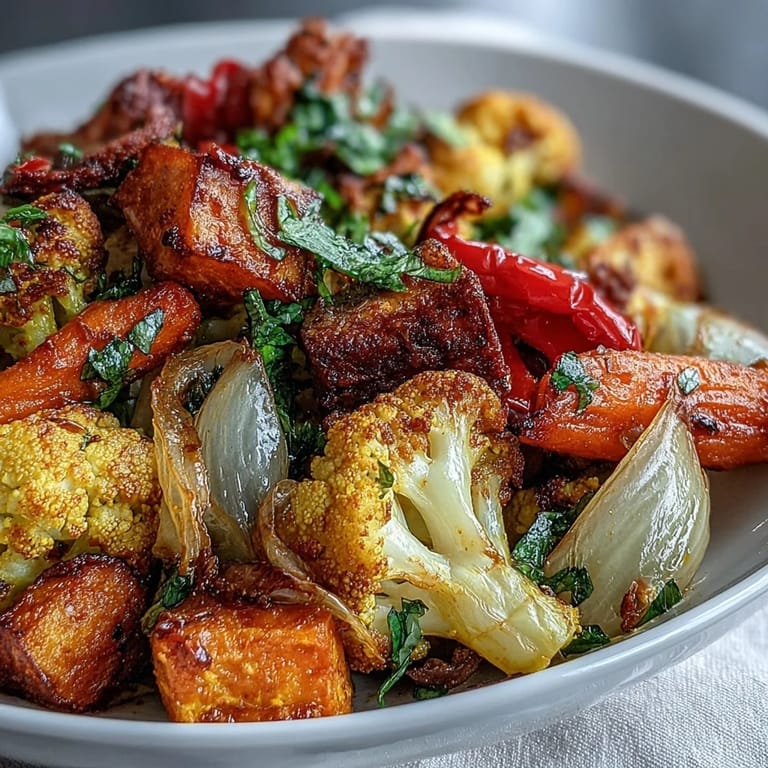
 My friend Maya brought a container of these golden-roasted vegetables to a potluck last fall, and I watched people circle back to it three times before the night ended. She pulled me aside in the kitchen and whispered that she'd started making them when her doctor mentioned inflammation, but honestly, she just loved how they tasted. The turmeric gives everything this warm, almost honeyed color, and the edges get crispy in a way that makes you keep reaching for more.
I made this on a Tuesday when I was feeling run-down, not even thinking about the anti-inflammatory angle, just craving something warm and colorful. My roommate came home to the smell of roasting turmeric and coriander filling the whole apartment, and before I could finish plating, they'd already grabbed a bowl. That moment taught me that healing food doesn't need to announce itself or feel medicinal—it just needs to smell good and taste like someone cared.
Ingredients
- Cauliflower florets (2 cups): They become almost nutty when roasted, with crispy edges that rival any fried snack, and they're sturdy enough not to fall apart halfway through.
- Broccoli florets (2 cups): The florets char beautifully and the stems, if you leave a bit attached, get sweet and tender.
- Sweet potato, cubed (1 large): This is your sweetness anchor—it balances the earthy spices and gets jammy at the edges, so don't cut the pieces too small or they'll disappear into golden bits.
- Carrots, sliced (2 medium): I learned to slice them roughly the same thickness as everything else, or the thinner pieces burn while thicker ones stay firm.
- Red bell pepper (1), in chunks: It stays slightly tender rather than soft, giving you a textural contrast that keeps things interesting.
- Red onion, in wedges (1 small): The layers stay separate and caramelize into something almost sweet, especially the outer bits.
- Extra-virgin olive oil (2 tbsp): This is worth using the good stuff—cheaper oil will taste harsh once roasted, and that's when you'll notice the difference.
- Ground turmeric (1½ tsp): This is the heart of the dish, so make sure yours isn't sitting in the back of the cabinet for three years; fresh turmeric has a warmer, almost floral note that stale stuff just can't match.
- Ground cumin (1 tsp): It adds earthiness without making the dish feel heavy or one-dimensional.
- Ground coriander (½ tsp): A small amount goes a long way here, bringing a subtle citrus note that lifts everything.
- Smoked paprika (½ tsp): This gives a hint of depth and a whisper of smoke that makes you feel like you've done more work than you actually have.
- Black pepper (¼ tsp): There's science behind this—it actually helps your body absorb the turmeric better, so it's not just flavor, it's functional.
- Sea salt (¾ tsp): Season as you go if you can, rather than all at once, so nothing ends up over-salted.
- Lemon juice (1 tbsp): This brightens everything at the end and cuts through the richness in the most elegant way.
- Fresh cilantro or parsley (2 tbsp, optional): Even if you think you're skipping this, don't—a small handful of fresh herbs transforms it from side dish to something memorable.
Tired of Takeout? 🥡
Get 10 meals you can make faster than delivery arrives. Seriously.
One email. No spam. Unsubscribe anytime.
Instructions
- Heat your oven and prepare:
- Get your oven to 425°F and line a baking sheet with parchment paper so cleanup is effortless and nothing sticks. This temperature is hot enough to get real color on the vegetables without burning them if you're paying attention.
- Gather and chop your vegetables:
- Cut everything into rough, similar-sized pieces—about 1 to 1½ inches is the sweet spot. Uneven pieces mean some will be creamy inside while others are already crispy, which honestly isn't a tragedy, but consistency helps.
- Make your spice paste:
- Whisk the olive oil with turmeric, cumin, coriander, paprika, pepper, and salt in a small bowl until it comes together like a loose paste. This keeps the spices from clumping and ensures they coat everything evenly.
- Toss thoroughly:
- Pour the mixture over your vegetables and use your hands to toss—yes, your hands, not a spoon—so every piece gets touched by the spice and oil. This is where you earn the flavor, so don't rush it.
- Spread and roast:
- Lay everything in a single layer on your baking sheet, as close to flat as you can get it without squishing things. Roast for 25 to 30 minutes, giving everything a stir halfway through so the bottom pieces get a turn at the hot spots.
- Look for the signs of doneness:
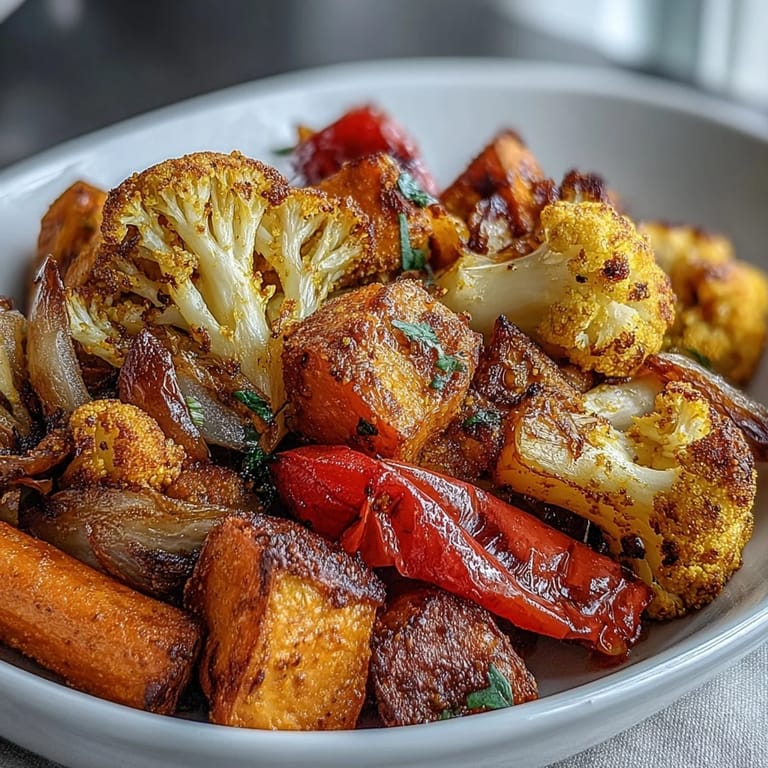
- You're looking for golden-brown edges and a fork-tender center—the vegetables should have some char on the outside but still have a little firmness so they're not mushy. The kitchen will smell like a warm spice market, and that's when you know you're close.
- Finish with brightness:
- Pull the pan from the oven, drizzle with lemon juice right away so it steams into the warm vegetables, and scatter with fresh cilantro or parsley if you have it. Taste and adjust salt if needed—sometimes the roasting concentrates flavors and you might want just a tiny pinch more.
 Save to Pinterest
 There's something about watching someone try this for the first time and see their face change when they realize roasted vegetables can be this good. It stopped being just a healthy choice for me and became something I crave, especially on mornings when I know the day is going to be chaotic.
When to Serve This and Why
This works beautifully as a weeknight side next to grains like quinoa or brown rice, but I've also served it cold the next day over salad greens as a quick lunch I'm actually excited about. In warmer months, it's perfect alongside lighter proteins; in cooler weather, it feels substantial enough to build a meal around. I've even packed it for picnics, and it's somehow better at room temperature, which is rare and wonderful.
Variations and Swaps That Actually Work
The beauty of this recipe is that it's flexible without losing its identity. You can swap in Brussels sprouts (they get impossibly crispy), zucchini (add it in the last 15 minutes so it doesn't turn to mush), butternut squash (which gets almost caramel-like), or even hearty mushrooms if you want something more savory. The spice blend stays the same, but the vegetables change the whole feeling of the dish depending on what's in season and what you have on hand.
Storage and Making It Ahead
These vegetables keep beautifully in the fridge for up to four days, and they taste almost better once they've had time to let the flavors settle. You can reheat them gently in a 350°F oven for about 10 minutes if you want them warm again, or eat them straight from the fridge as a snack—which I've definitely done more than once. Frozen storage isn't ideal because the vegetables lose some texture when thawed, but if you need to make them ahead, they'll still be delicious.
- Let them cool completely before storing so condensation doesn't make them soggy.
- Keep the lemon juice and fresh herbs separate if making ahead, and add them just before serving.
- These are honestly as good cold as they are hot, so embrace the flexibility.
 Save to Pinterest
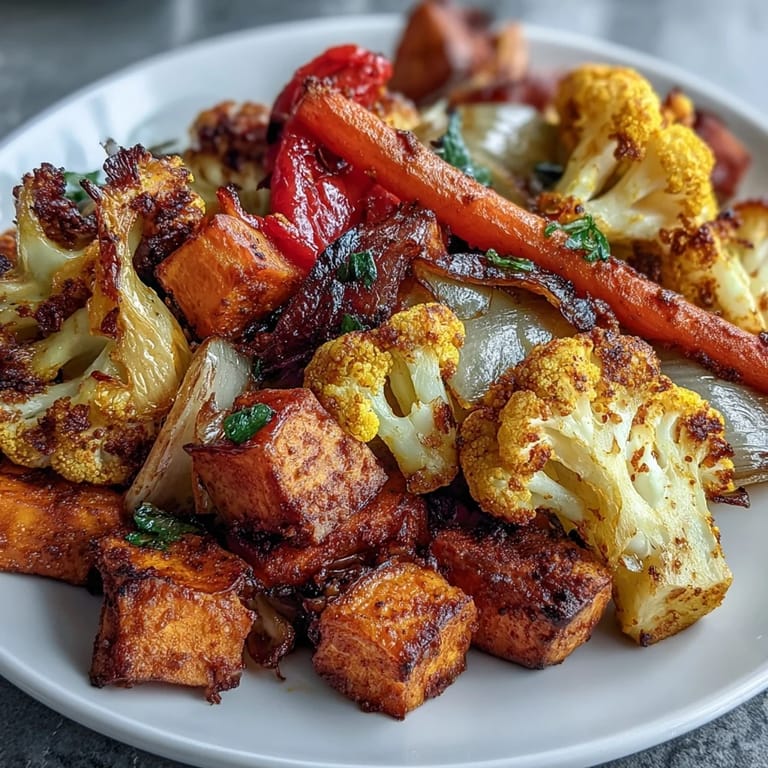
 This recipe turned into my comfort food for reasons I didn't expect—not because it's trendy or Instagram-worthy, but because it tastes like care and feels good in my body. Make it once and it becomes the thing you reach for whenever you need something warm, nourishing, and genuinely delicious.
Recipe FAQs
- → What vegetables work best for roasting with turmeric?
Hardy vegetables like cauliflower, broccoli, sweet potatoes, carrots, and bell peppers hold up beautifully during high-heat roasting. Their dense textures absorb the turmeric and spices while developing caramelized edges.
- → How do I prevent the turmeric from staining?
Work on a protected surface and wear an apron when handling ground turmeric. The pigment is natural but persistent. Using parchment paper on your baking sheet also helps with easy cleanup.
- → Can I prepare these vegetables ahead of time?
Yes, chop and coat the vegetables up to 24 hours in advance. Store them in an airtight container in the refrigerator, then roast when ready. The flavors actually meld beautifully during this resting period.
- → What enhances turmeric absorption?
Black pepper contains piperine, which significantly improves your body's ability to absorb turmeric's beneficial compounds. The combination of healthy fats from olive oil and black pepper maximizes wellness benefits.
- → How do I know when the vegetables are done roasting?
Look for golden-brown edges and tender flesh when pierced with a fork. The vegetables should have slight crispiness at the edges but yield easily. Stirring halfway through ensures even cooking.
- → What serving suggestions complement these roasted vegetables?
Serve over quinoa or brown rice for a complete meal, pair with non-dairy yogurt for cooling contrast, or enjoy alongside grilled proteins. The vegetables also work beautifully tucked into wraps or grain bowls.